

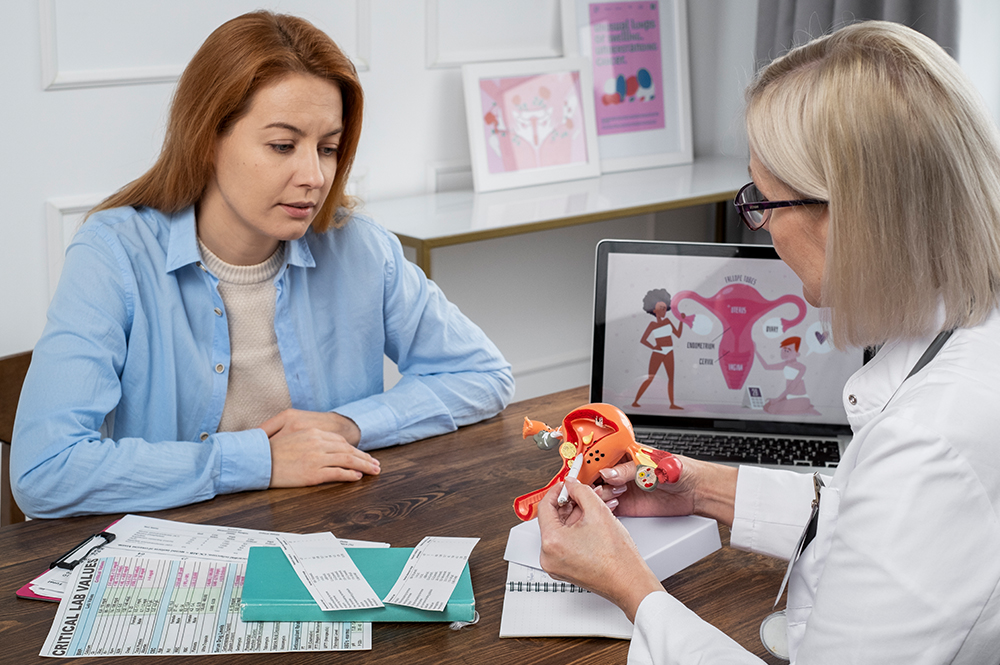
If you’ve been diagnosed with uterine fibroids, you’re not alone. Uterine fibroids are extremely common and affect many women during their reproductive years. For many, they cause symptoms that can interfere with daily life that disrupt daily life, like heavy periods, pelvic pressure, frequent urination, and discomfort that just doesn’t go away.
For a long time, hysterectomy was the most commonly recommended solution. But the medical landscape has changed significantly, and today there are less invasive, highly effective options available. Uterine fibroid embolization (UFE) is one of them.
It’s a minimally invasive procedure that shrinks fibroids without removing the uterus, without general anesthesia in many cases, and without the long recovery that comes with surgery. If you’re considering UFE, understanding how the procedure works, who it’s for, and what recovery involves can help you make an informed decision.
What Are Uterine Fibroids, and Why Do They Cause So Much Trouble?
Uterine fibroids are non-cancerous growths that develop in or around the uterus. They’re made of muscle and fibrous tissue, and they range from the size of a pea to, in some cases, as large as a grapefruit. Most fibroids are benign and don’t require treatment. But when they grow large enough or appear in certain locations, they begin to pose meaningful health risks.
Common Symptoms of Uterine Fibroids
The symptoms vary depending on the size, number, and location of the fibroids, but some of the most frequently reported include:
- Heavy or prolonged menstrual bleeding that disrupts work and daily routines
- Pelvic pain or a feeling of fullness and pressure in the lower abdomen
- Frequent urination or difficulty emptying the bladder
- Pain during intercourse
- Lower back pain or leg discomfort
- Anemia caused by chronic blood loss
For many women, these symptoms become severe enough to affect quality of life, relationships, and work. That’s when treatment becomes not just an option but a necessity.
What Is Uterine Fibroid Embolization (UFE)?
Uterine fibroid embolization is a procedure performed by an interventional radiologist. During UFE, tiny particles are injected into the uterine arteries to block the blood supply that feeds the fibroids. Without that blood flow, the fibroids gradually shrink and the symptoms they cause begin to improve.
The procedure is done through a small incision in the wrist or groin. There’s no large surgical cut, no removal of the uterus, and in most cases, no general anesthesia. Many patients go home the same day or after an overnight stay, depending on the treatment plan and recovery.
How the Procedure Works, Step by Step
First, you’ll have a consultation and imaging to map the fibroids and confirm you’re a good candidate for UFE. On the day of the procedure, a catheter is advanced through a blood vessel to the uterine arteries under real-time X-ray guidance. Tiny embolic particles are then released, cutting off the blood supply to the fibroids. The procedure typically takes under an hour.
Afterward, you’ll be monitored and given medication to manage cramping, which is the most common side effect in the hours following the procedure. Most women go home the next morning.
Why Many Women Are Choosing UFE Over Surgery?
Opting for UFE offers several advantages, especially when dealing with symptomatic fibroids:
1. It Preserves the Uterus
For women who want to keep their uterus, UFE is a meaningful alternative to hysterectomy. While UFE is not typically recommended for women who are actively trying to conceive, it allows women to retain their uterus and, for some, may still leave reproductive options open depending on individual circumstances.
2. Shorter Recovery Time
Hysterectomy typically involves a hospital stay of two to five days and a recovery period of four to six weeks. With UFE, most women are back to light activities within a week and fully recovered within two. That’s a significant difference, particularly for women with demanding careers, young children, or caregiving responsibilities.
3. Fewer Surgical Risks
Any surgical procedure carries risk. UFE eliminates the risks associated with general anesthesia and open surgery, including infection, blood loss, and longer healing times. Because it’s performed through a tiny puncture rather than a large incision, the impact on your body is far lower.
Are You a Good Candidate for UFE?
UFE works well for many women, but it’s not the right choice for everyone. You may be a strong candidate if:
- You have symptomatic fibroids that are affecting your quality of life
- You want to avoid surgery or a hysterectomy
- You’ve completed your family
- You’re not planning a pregnancy
- You’re looking for a faster recovery with less downtime
It’s generally not recommended during pregnancy, for women with certain uterine infections, or for those with specific fibroid types that are better treated surgically. A thorough consultation at a uterine artery embolization clinic will determine whether UFE is the right path for you based on your imaging, symptoms, and health history.
What to Expect Before, During, and After UFE
Before the Procedure
Your care team will review your medical history, perform imaging, and walk you through the process in detail. You’ll receive instructions on fasting, medications, and what to bring on the day of your procedure. Most women find the pre-procedure consultation reassuring — it’s a chance to ask every question you have.
During the Procedure
You’ll be awake but relaxed, with sedation and pain management provided throughout. The interventional radiologist guides a thin catheter to the uterine arteries using fluoroscopic imaging. The procedure typically takes 45 to 90 minutes.
After the Procedure
Some cramping and mild nausea are common in the first 24 to 48 hours. You’ll be given medication to manage both. Most women feel well enough to move around the following day and return home with clear aftercare instructions. Over the following weeks, fibroids begin to shrink, and symptoms gradually improve. Full symptom relief often develops over three to six months as the fibroids continue to decrease in size.
Final Takeaway: Why Choose Vantage Medical Associates?
Living with fibroid symptoms doesn’t have to be your norm. Uterine fibroid embolization offers a well-established, evidence-based path to relief that doesn’t require surgery, a long recovery, or removing your uterus. For millions of women, it has meant the end of disruptive bleeding, chronic pelvic pain, and the exhaustion that comes with both.
If you’re considering your options, speaking with a specialist who focuses specifically on this procedure is the best place to start. At Vantage Medical Associates, our team brings focused expertise in minimally invasive treatments, including UFE, guiding patients through every step with personalized care and clear communication.
We believe every woman deserves a thorough discussion of her treatment options before making decisions about her health. That starts with asking questions and receiving clear, honest answers from experienced specialists.
Take the first step toward lasting relief by scheduling a consultation to find out whether uterine fibroid embolization is the right choice for you.
FAQs
1. Is uterine fibroid embolization (UFE) painful?
UFE is performed under sedation, so the procedure itself is generally comfortable. Most discomfort occurs afterward as cramping, which is typically managed with medication and improves within a few days.
2. Will UFE affect my fertility?
UFE may affect future fertility and is not usually recommended for women actively planning pregnancy. Discuss your family-planning goals with your doctor before treatment.
3. How long until I see results after UFE?
Many women notice improvements in symptoms within weeks, while full fibroid shrinkage and maximum results typically occur within three to six months.
4. Does insurance cover UFE?
In many cases, UFE is covered by insurance for symptomatic fibroids. Coverage varies by provider and plan, so it’s best to verify your benefits beforehand.
5. How do I choose the right uterine artery embolization clinic?
Look for a clinic with extensive experience performing UFE, access to advanced imaging, thorough patient education, and structured follow-up care.