

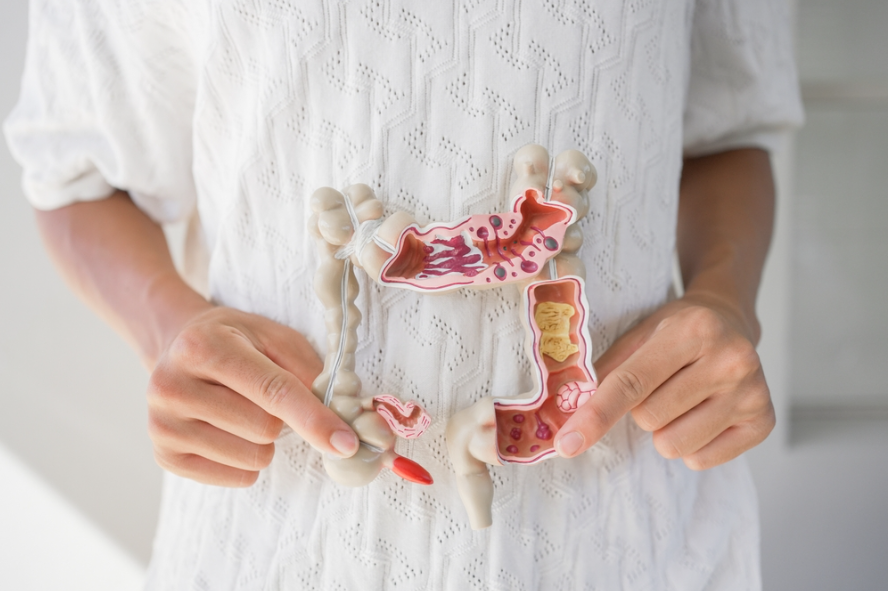
Colon cancer screening helps doctors find early signs of cancer so treatment can begin on time. It gives you clear information about what is happening inside your body and helps prevent future illness by catching small changes in the colon before they grow into serious problems. It is a simple, safe, and important procedure for both men and women, even when they feel healthy.
Let’s understand what colon cancer screening is, why it matters, and what simple tests you can take to stay safe.
What You Will Learn
- What colon cancer screening means
- How Screening May Save Lives
- Who Needs Screening
- Types of Colon Screening Tests
- Early Signs to Watch for Timely Medical Help
- How Vantage Medical Associates, P.C., Helps
- Most Common Questions Patients Have
What Is Colon Cancer Screening?
Colon cancer screening is a simple check that searches for changes inside your colon. These changes can turn into cancer if you do not find them early. Screening helps doctors see tiny growths before they become dangerous.
As screening catches cancer at an early stage, treatment works best and recovery is faster. This is why regular screening is one of the most effective ways to protect your long-term health.Why Colon Cancer Screening Matters
Colon cancer is common in both men and women. But doctors can prevent most colon cancers with early checks.
According to the NCBI, colon cancer is one of the most common cancers affecting both men and women in the United States.While screening has helped lower cases in older adults, the number of younger adults getting colon cancer is rising. This makes regular screening important for all age groups.
What Screening Finds
- Tiny growths called polyps
- Hidden blood in the stool.
- Early tumors
- Infection or swelling
Most people do not feel sick when colon cancer starts. That is why screening is important even if you feel fine.
Who Needs Screening?
Doctors recommend screening for:
- All adults 45 and above
- Younger adults with a family history of cancer-related problems
- People with stomach or bowel problems
- People with past polyps
High-risk groups include:
- Family history of colon cancer
- Inflammatory bowel issues
- Overweight adults
- Adults with low fiber diets
- Adults who smoke or drink often
If you are 45 or older, screening is strongly recommended, even if you feel healthy.
Types of Colon Cancer Screening Tests
Here are the main tests you can choose:
1. Colonoscopy (Most Complete Test)
A long, thin tube with a camera goes inside the colon. Doctors can remove polyps during this test.
Good for:
- Complete view
- Removing polyps
- Finding early cancer
Test time: About 30–45 minutes
Repeat: Every 10 years, if the results are normal.
2. Stool Test (Simple Home Test)
This test checks for hidden blood in stool.
Types:
- FIT (Fecal Immunochemical Test)
- gFOBT (Guaiac Test)
Good for:
- Easy to do at home
- No machine needed
Repeat: Every year
3. FIT-DNA Tests (Like Cologuard)
This test checks stool for DNA changes linked to cancer.
Good for:
- Easy and at home
- Checks both blood and DNA
Repeat: Every three years.
4. CT Colonography (Virtual Colon Test)
This is an X-ray-type scan of the colon.
Good for:
- No camera inside
- Fast test
Repeat: Every five years.
Comparison Table: Which Screening Is Best for You?
| Screening Test | Best For | How Often | Prep Needed | Finds Polyps |
|---|---|---|---|---|
| Colonoscopy | Full check | 10 years | Yes | Yes |
| FIT (Stool Test) | Simple home test | 1 year | No | No |
| FIT-DNA Test | At-home advanced test | 3 years | No | No |
| CT Colonography | Non-invasive scan | 5 years | Yes | No (but can detect images) |
Early Signs of Colon Cancer
Most early cases show no signs. But some people may notice:
- Blood in stool
- Stomach pain
- Change in bathroom habits
- Weight loss
- Feeling tired often
If you experience any of these symptoms, please contact a doctor promptly or schedule an appointment with our care team.
How Screening Helps You Stay Healthy
Screening provides peace of mind and helps patients take control of their long-term health. Here is how it helps:
- Stops cancer before it starts
- Finds polyps early
- Helps doctors plan treatment
- Cuts cancer risk
- Saves lives
How to Prepare for Screening
Follow these easy steps:
- Talk to your doctor; they will help with the rest.
- Please share your family history with them.
- Select the test you prefer from the options available.
- Follow easy prep steps.
- Complete the test on time
You do not need to worry. Most tests are simple and do not cause pain.
Vantage Medical Associates, P.C. – Comprehensive Care You Can Trust
At Vantage Medical Associates, P.C., you get full support for colon cancer screening in one place. We offer complete gastroenterology services, including evaluations, screening tests, follow-up care, and guidance for your long-term colon health. Our team checks your risks, explains every test step, and helps you pick the right option based on your age and health needs.
We also offer primary care, specialty services, and diagnostic support so you can receive coordinated, simple, and comprehensive medical care at all stages of your health journey.
Why Patients Choose Us
- All services in one place for simple, smooth care.
- Clear explanations so you always understand your test and results.
- Experienced medical team with strong screening and diagnostic skills.
- Easy scheduling with flexible appointment options.
- Personalized plans based on your age, symptoms, and risk level.
Conclusion
Colon cancer screening is a simple step that gives strong protection for your long-term health. It helps doctors find early changes in the colon, treat problems on time, and prevent serious illness. Screenings are vital for everyone who is 45 and older, even if you feel well.
With options like colonoscopy, stool tests, and advanced scans, screening is easier than ever. With regular screening and trusted medical care, you can better manage your health and decrease your risk of colon cancer.
Frequently Asked Questions
1. When should I start colon cancer screening?Most adults must start at age 45. If you have a family history, start earlier.
2. Is a colonoscopy painful?No. Doctors give medicine to help you relax. Most people do not feel anything.
3. Can I do a home test instead?Yes. FIT and FIT-DNA tests are simple home options. However, colonoscopy is the most complete test.
4. How long does a colonoscopy take?The test takes about 30–45 minutes. You go home the same day.